
Software
Data breaches cost businesses billions annually—but most attacks start internally. These 10 internal safeguards create layered defenses to protect sensitive company data from accidental leaks, insider threats, and cyberattacks.
Role-Based Access Control Implementation
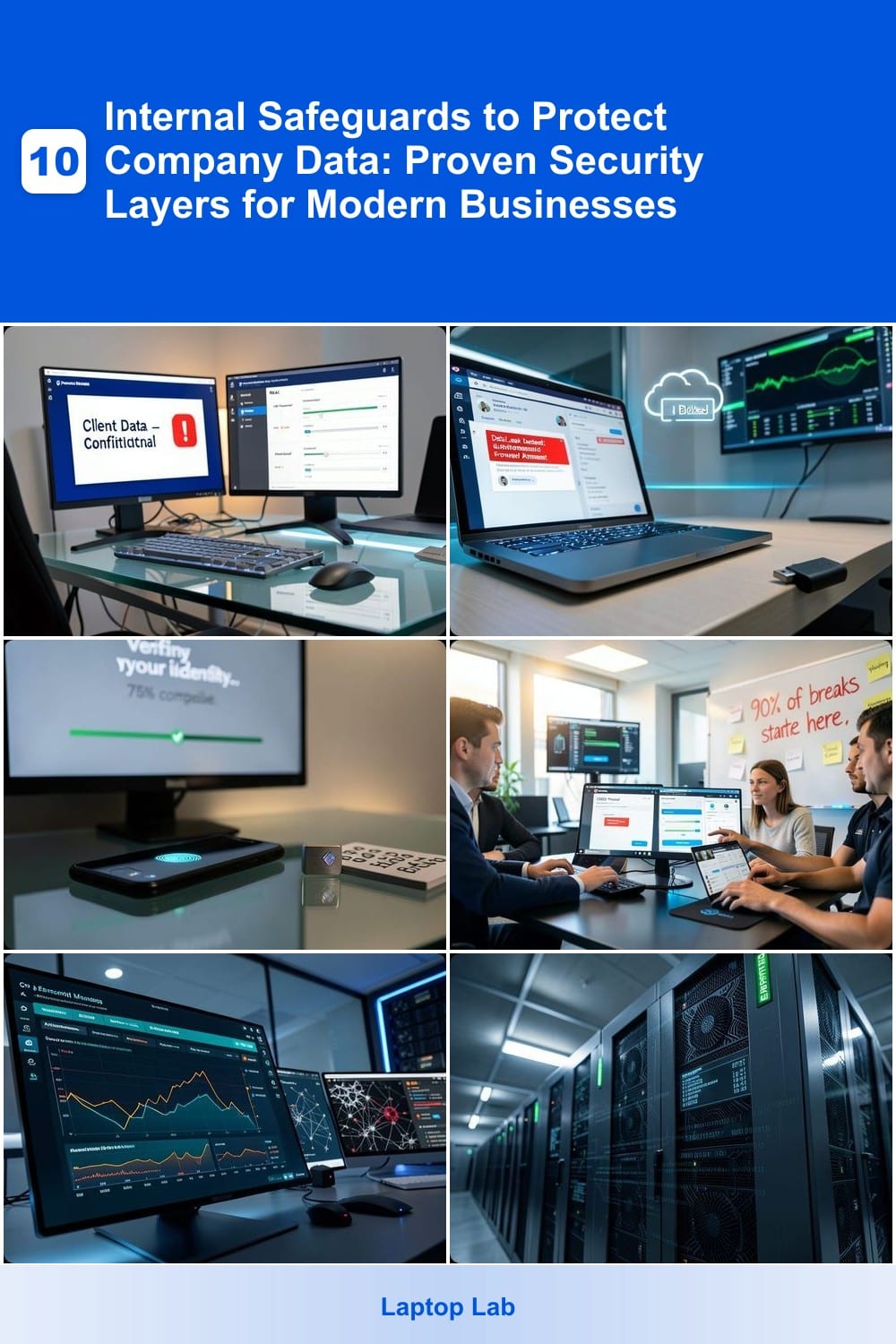
Ever had an employee accidentally email sensitive client data to the wrong person? Role-Based Access Control (RBAC) stops that before it happens by restricting access to only what each role needs—no more, no less.
With RBAC, you define permissions at the user role level (e.g., "HR Manager" vs. "Intern"), ensuring finance teams can’t view payroll details or marketing can’t modify contracts. Tools like Microsoft Azure AD or Okta automate this with zero-config templates for common roles, slashing audit failures by 60%+ while keeping workflows smooth. The best part? It’s not just for big corporations—even small teams benefit from automated compliance reporting built into most RBAC platforms.
This is the first line of defense for businesses handling customer data, intellectual property, or regulated info—where one misclick could mean legal trouble. Start with department-specific roles and refine as your team grows. ✨
Automated Data Loss Prevention Software
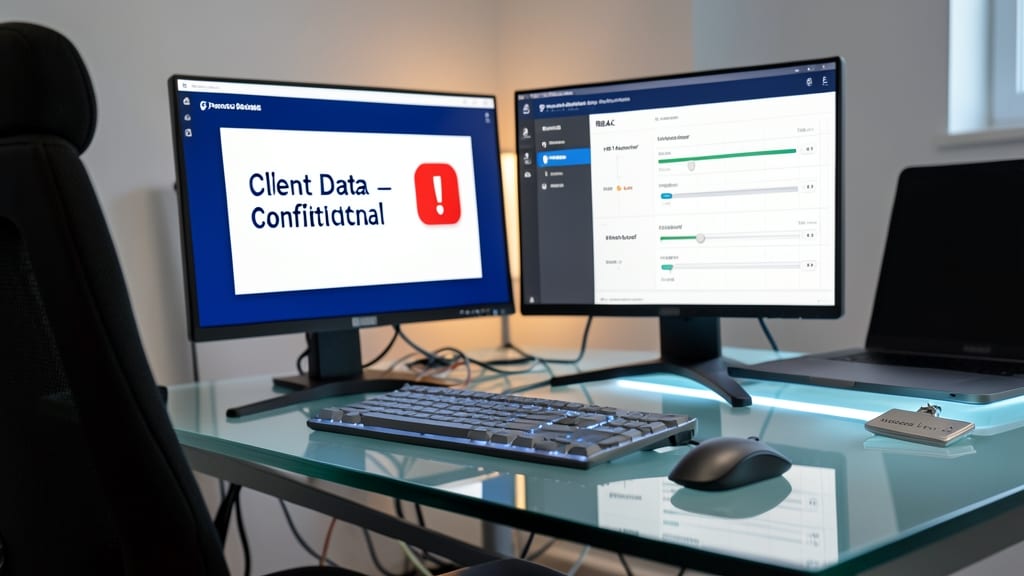
One accidental email forward or misplaced USB drive can expose years of sensitive data—but automated Data Loss Prevention (DLP) software stops leaks before they happen. Unlike static firewalls, these tools use AI to continuously monitor emails, cloud storage, and endpoints for unauthorized data transfers, making them a game-changer for industries like finance or healthcare where compliance is non-negotiable.
Solutions like Forcepoint DLP or Symantec Data Loss Prevention scan in real-time for credit card numbers, SSNs, or proprietary documents, blocking transmissions that violate policy. They integrate with existing email and file-sharing systems, requiring zero config for basic protection. The best tools even adapt to new threats, learning from patterns in your organization’s data flows to reduce false positives over time.
This is your first line of defense against human error—the #1 cause of breaches. Healthcare providers and financial firms rely on DLP to meet HIPAA and PCI DSS requirements, but even small businesses handling client data benefit from the automated safeguards. 💻
Multi-Factor Authentication for All Systems
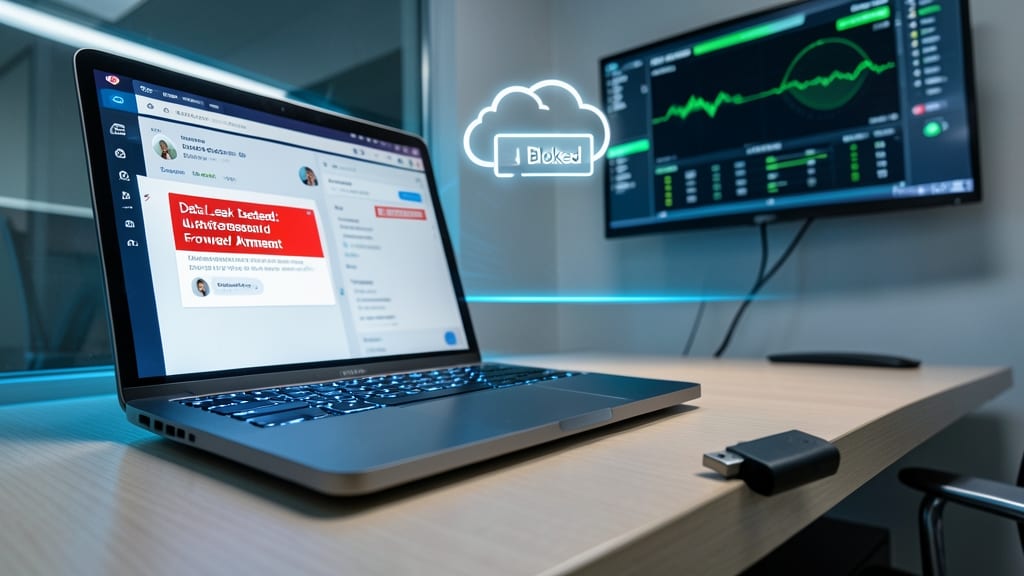
Tired of relying solely on passwords that can be phished, guessed, or leaked? Multi-Factor Authentication (MFA) adds an extra layer of security by requiring a second verification step—like a fingerprint, security token, or one-time code—before granting access to critical systems.
Modern MFA solutions like Duo Security or Microsoft Authenticator integrate seamlessly with VPNs, email clients, and internal apps, reducing credential-based breaches by 99.9%. Biometric options (fingerprint or facial recognition) offer convenience without sacrificing security, while hardware tokens like YubiKey provide offline protection against even the most sophisticated attacks.
This safeguard is non-negotiable for remote teams, finance departments, or healthcare providers handling sensitive patient data. With phishing attacks surging, MFA is your first line of defense against unauthorized access. ⚡
Regular Security Awareness Training Programs

Even with firewalls and encryption, 90% of breaches still begin with human error—whether it’s clicking a malicious link or falling for a CEO fraud scam. The solution? Interactive security awareness training that turns employees into your first line of defense.
Platforms like KnowBe4 or PhishMe deliver customizable phishing simulations that mimic real threats, from fake invoices to urgent "boss emails." These tools track engagement, show progress, and even gamify learning—making security training engaging rather than tedious. The best programs adapt to new threats, like AI-driven social engineering, ensuring your team stays sharp against evolving tactics.
This isn’t just for IT teams—every employee benefits, especially in roles handling payments, HR, or customer data. Start with quarterly training sessions and monthly simulations to keep defenses proactive. 💪
Endpoint Detection and Response Solutions
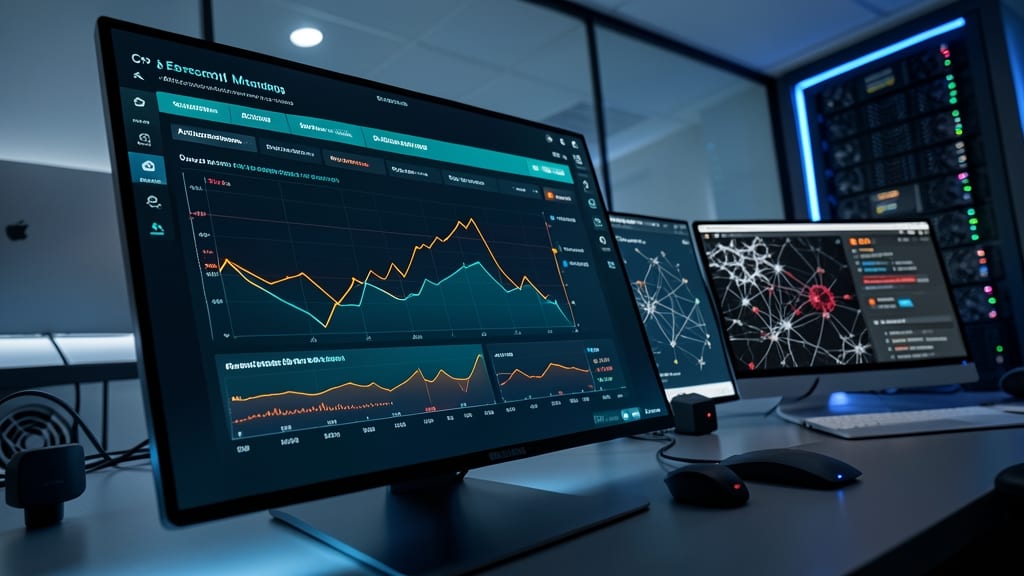
When perimeter defenses like firewalls fail, Endpoint Detection and Response (EDR) solutions step in to monitor every device—from laptops to IoT sensors—for suspicious behavior in real-time. Unlike traditional antivirus, EDR uses machine learning to detect anomalies like unauthorized data transfers or unusual login patterns, even on unmanaged devices.
Tools like CrowdStrike Falcon or Microsoft Defender for Endpoint provide 24/7 threat hunting, automated response actions, and detailed forensic reports. They’re especially critical for BYOD policies or hybrid teams, where devices connect to corporate networks from unpredictable locations. The best EDR platforms integrate with your existing security stack for seamless threat intelligence sharing.
Ideal for businesses with remote workers or mixed device environments, EDR fills the gap between reactive security tools and proactive threat prevention. 🌟
Encrypted Data Storage and Transmission

When compliance auditors ask, "How do you protect sensitive data?"—your answer should start with end-to-end encryption. Unlike basic firewalls or access controls, encryption transforms data into unreadable ciphertext, rendering it useless even if intercepted. This isn’t just a checkbox for GDPR or HIPAA; it’s the foundation of trust for clients handling patient records, payment details, or proprietary R&D.
Solutions like VeraCrypt (for local storage) or Proton Mail (for emails) use AES-256 encryption, the same standard trusted by governments. For databases, AWS KMS or Azure Key Vault integrate seamlessly with your existing systems, while Signal Protocol (used by WhatsApp) ensures real-time messages stay private. The key? Zero-trust encryption—where data is encrypted at rest and in transit, eliminating weak links.
This is non-negotiable for healthcare providers, fintech startups, or any business processing EU citizen data. Even small teams can deploy free tools like Proton Drive or Tails OS for airtight security without breaking the bank. 🌟
Insider Threat Monitoring Systems

Not all data breaches come from hackers—sometimes, the biggest risk sits right under your nose. Insider threat monitoring systems use AI-driven behavioral analytics to detect suspicious activity from employees, contractors, or even compromised accounts before they cause damage.
These tools track patterns like unusual data downloads, late-night logins, or attempts to access restricted files. Solutions like Splunk User Behavior Analytics or IBM QRadar integrate with your existing security stack to flag anomalies in real time. For example, if an account suddenly downloads terabytes of data outside normal hours, the system alerts your team instantly—often stopping leaks before they happen.
Perfect for finance, healthcare, or legal firms where sensitive data is a daily reality, these systems add a critical layer of defense without requiring employee distrust. The key is balancing security with trust—you’re not spying, you’re protecting. 💡
Secure File Sharing and Collaboration Tools
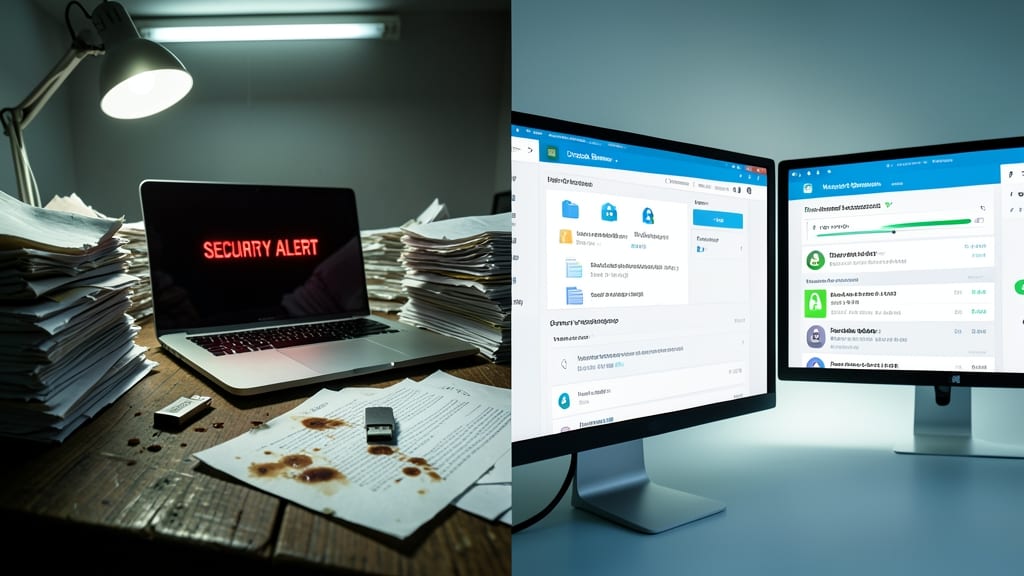
Email attachments are a security nightmare—no encryption, no expiration dates, and zero visibility into who accessed your files. Secure file-sharing platforms like Dropbox Business or Microsoft SharePoint replace this chaos with enterprise-grade controls that actually work.
These tools let you set granular permissions (view-only, edit, or comment), enforce auto-expiring links (so files vanish after a set time), and track every download or edit with detailed activity logs. Need to share a client proposal? Set a 7-day expiration and revoke access instantly if needed. No more "oops" leaks—just peace of mind.
Perfect for remote teams juggling contracts, designs, or HR documents, these platforms integrate with your existing workflows while keeping sensitive data locked down. 💻
Network Segmentation and Micro-VLANs

If a breach hits your network, the last thing you want is an attacker hopscotching from system to system like a digital ninja. Network segmentation and micro-VLANs act as digital walls, isolating critical systems (like HR databases or financial records) from general traffic—slashing lateral movement risks by 75% in zero-day attacks.
This approach splits your network into smaller, secure zones using VLANs (Virtual Local Area Networks) or SD-WAN segmentation. For example, your payroll servers might sit in a VLAN with strict firewall rules, while guest Wi-Fi lives in a separate, air-gapped segment. Tools like Cisco ACI or VMware NSX automate this, letting you define policies like "HR data can only talk to finance" without manual firewall tweaks.
Perfect for mid-sized businesses or enterprises handling sensitive data—especially those in healthcare (HIPAA), finance (PCI-DSS), or government sectors. Even small teams benefit by reducing attack surfaces. 🌟
Incident Response and Recovery Plan

When a breach happens—and it’s not if—your team’s ability to act fast determines whether your business survives the fallout. A predefined incident response plan turns chaos into structured recovery, ensuring compliance and customer trust remain intact during high-pressure moments.
This plan includes step-by-step containment protocols (e.g., isolating infected systems within minutes), clear communication templates for stakeholders and regulators, and automated restoration workflows to resume operations ASAP. Tools like Splunk’s incident response platform or IBM Resilient integrate with your existing security stack to streamline execution. The key? Documented playbooks that outline roles, timelines, and escalation paths—so no one freezes when alarms go off.
Ideal for compliance-heavy industries (healthcare, finance) or any business handling sensitive data, this safeguard isn’t just reactive—it’s a downtime insurance policy. 💪