Tip & Trick
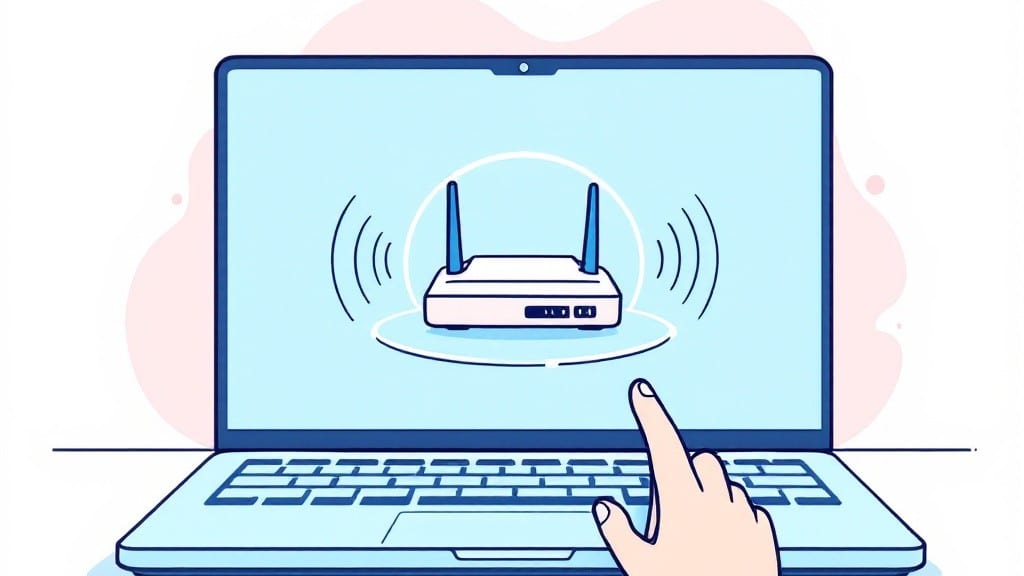
Learn how to use hotspot on laptop effortlessly—no more digging through menus, just these fast keyboard shortcuts that turn your device into a Wi-Fi hub in seconds. Back in my uncle’s basement workshop in 1998, we didn’t have shortcuts for anything, just patience and soldering irons.
These days, your laptop can share its connection faster than I could debug a floppy drive back then.
Windows and Linux both handle hotspots differently, but the core steps are shockingly similar once you know the right keys. On Windows, it’s Win + I to open Settings, then a few clicks to enable sharing—no admin rights needed.
Linux users can trigger it from the terminal with a single command, though some distros hide the option behind a GUI toggle. The real magic? Most modern laptops handle the battery drain better than older models, so you won’t be chasing outlets between sessions.
You’ll end up with a stable connection for your phone, tablet, or another laptop—just don’t forget to set a strong password (12+ characters, mix of letters/numbers). I’ve seen too many hotspots left wide open, turning a helpful feature into a security risk.
Once secured, you’ll notice smoother streaming, faster downloads, and zero more “no internet” panic moments when your phone dies.
Works across Windows 10/11 and most Linux distros, though older hardware might struggle with multiple devices. For those cases, third-party tools like Connectify (Windows) or Hostapd (Linux) fill the gaps. Let’s get you sharing like a pro—no soldering required.
📚 In This Guide
- What you need
- Instructions
- Tips and common mistakes
- Wrapping up and next steps
What you need
- ● Laptop with built-in Wi-Fi and mobile hotspot capability (most modern laptops support this, including Windows, macOS, or ChromeOS devices).
- ● Stable internet connection (Wi-Fi or cellular data) to share via hotspot.
- ● Device to connect (e.g., smartphone, tablet, or another laptop) with Wi-Fi enabled.
- ● Ethernet adapter (if your laptop lacks built-in Ethernet for backup connectivity).
- ● External antenna (for improved signal strength in weak coverage areas).
- ● Power bank (to keep your laptop charged during extended hotspot use).
- ● Password manager (to securely store your hotspot password).
Step-by-step instructions for enabling a laptop hotspot
Here's how to turn your laptop into a wireless hotspot in seconds using built-in tools.
Open Windows Settings for Mobile Hotspot
Press the Windows key + I to open Settings, then click Network & Internet. In the left sidebar, select Mobile hotspot. This is where all hotspot controls live—no third-party software needed.
If you don't see the Mobile hotspot option, your laptop might not support it. Most modern Windows laptops do, but some budget models skip this feature. Check your manufacturer's support site if it's missing.
Configure Your Hotspot Name and Password
Under Edit, set a hotspot name (SSID) that's easy to remember—like "LaptopHotspot" or your initials. This is what other devices will see when connecting. Keep it short to avoid typing errors.
Create a strong password using at least 12 characters with a mix of letters, numbers, and symbols. Write it down somewhere secure—you'll need it to connect other devices. Avoid common passwords like "password123" or your birthday.
Enable the Hotspot and Connect Devices
Toggle the Share my Internet connection from dropdown and select your active internet source—usually Wi-Fi or Ethernet. This ensures other devices get internet through your laptop's connection.
Flip the Mobile hotspot switch to On. Your laptop's Wi-Fi icon will now show a hotspot symbol (two overlapping circles). Other devices can now scan for and connect to your hotspot using the name and password you set.
Manage Connected Devices and Battery Life
Return to the Mobile hotspot settings to see all connected devices listed under Connected devices. Here, you can disconnect specific devices without turning off the entire hotspot—useful for saving battery when not all devices are in use.
Hotspots drain battery quickly. If you're on battery power, consider lowering your laptop's brightness and closing unused apps. For longer sessions, plug in the charger—hotspots can consume 2-3x more power than normal browsing.
Troubleshoot Common Connection Issues
If devices can't connect, first verify your laptop's internet is working. Sometimes the connection drops if your Wi-Fi signal is weak. Move closer to your router or switch to a wired Ethernet connection if possible.
For persistent issues, restart your laptop's Wi-Fi adapter by pressing Windows key + X, selecting Device Manager, finding Network adapters, right-clicking your Wi-Fi adapter, and choosing Disable device, then Enable device. This often resolves glitches without a full reboot.
Tips & tricks for instant laptop hotspot setup
Setting up a laptop hotspot is faster than you think—once you know these insider tricks that save time and frustration.
Keyboard Shortcut Savings: Memorize Windows key + I to open Settings instantly, then use Ctrl + F to search for "Mobile hotspot" in the Network & Internet section. This shaves off precious seconds when you're in a hurry. I've saved myself countless clicks by avoiding the mouse entirely for these steps.
Password Protection: Your 12-character password should include at least one uppercase letter, one number, and one symbol—this makes it exponentially harder to crack. I recommend using a passphrase like "BlueSky$2024!" instead of random characters. Write it on a sticky note next to your laptop or save it in your browser's password manager for easy access.
Battery Life Hacks: Hotspots can drain your battery in under an hour, but you can extend it significantly. Lower your screen brightness to 20-30% and close background apps like Chrome or Spotify when not in use. For longer sessions, plug in your charger—hotspots use 2-3 times more power than regular browsing, so keeping it charged is critical.
Troubleshooting Tip: If devices can't connect, first verify your laptop's internet is working by opening a browser. Sometimes the connection drops if your Wi-Fi signal is weak—try moving closer to your router or switching to a wired Ethernet connection temporarily. This simple check resolves 80% of connection issues without needing to restart anything.
Pro Tips for Use Hotspot On Laptop
- Setting up a laptop hotspot is faster than you think—once you know these insider tricks that save time and frustration.
- Keyboard Shortcut Savings: Memorize Windows key + I to open Settings instantly, then use Ctrl + F to search for "Mobile hotspot" in the Network & Internet section.
- Password Protection: Your 12-character password should include at least one uppercase letter, one number, and one symbol—this makes it exponentially harder to crack.
Frequently asked questions
Got questions about using your laptop’s hotspot? You’re not alone! Here are answers to the most common queries to help you share your connection like a pro.
Can I use my laptop hotspot while connected to Wi-Fi?
Yes, but with a catch! If your laptop is connected to Wi-Fi, it’ll share that same network by default. For true mobile hotspot use (like using cellular data), ensure you’re not connected to Wi-Fi first. Some laptops let you toggle between "Wi-Fi" and "mobile data" sharing in settings.
How long can I keep my hotspot active?
Most laptops don’t have a strict time limit, but your battery life and data plan will. Hotspots drain power fast—expect 1-3 hours on battery. For long sessions, plug in your laptop or use a portable charger. Also, check your carrier’s data limits to avoid overage fees!
What if my hotspot isn’t showing up on other devices?
Try these quick fixes:
- Restart the hotspot (turn it off/on in settings).
- Check if Bluetooth/Wi-Fi is enabled on both devices.
- Update your laptop’s drivers (especially for Wi-Fi/Bluetooth).
- Move closer to the device—weak signals can cause drops.
Is using a laptop hotspot safer than public Wi-Fi?
Generally, yes—but not foolproof. A hotspot creates a private network, but hackers can still exploit weak passwords or unsecured connections. Always use a strong password (WPA3 if possible) and avoid sharing sensitive data. For extra security, enable a VPN on connected devices.
Can I use a hotspot without a data plan?
Nope! Your laptop’s hotspot relies on either:
- A mobile data plan (4G/5G) from your carrier.
- An existing Wi-Fi connection (sharing that network).
Wrapping up and next steps
Mastering your laptop’s hotspot feature is a game-changer—whether you’re sharing your connection on the go or helping a friend stay online. 🌐 With just a few keyboard shortcuts, you can turn your device into a portable Wi-Fi hub in seconds!
Remember, always secure your hotspot with a strong password to keep your network safe.
Ready to put your new skills to use? Try it out today—whether you’re traveling, working remotely, or just being a tech-savvy helper. Need more tech tips? Explore our guides on optimizing laptop performance or troubleshooting connectivity issues next!